
Start with Hobbies, the most popular lesson in the library
If you teach one hobbies ESL lesson plan this term, make it Hobbies. It is the most viewed lesson on the whole site, and it is free. A1-A2 students learn the words for what they do in their leisure time, practice saying what they like and dislike, and listen to people talk about their own hobbies before giving their opinions.
For complete beginners, the free Total Beginner lesson is a good first step. Students describe hobbies they want to take up, say what they find easy or difficult and talk about things they have tried before. Together the two lessons give a new adult student a full first week on the topic.
Hobbies and free time lessons by level
The topic grows with your students. At A1 they say what they like doing, and by C1 they argue about why creativity needs limits:
| Level | Lessons to try |
| A1-A2 | Hobbies, Journaling, Spring Picnic, My Lazy Vacation Day |
| A2-B1 | One More Game, Party Hard, Bookology, Green Fingers, Let Your Hair Down |
| B1-B2 | The Art Of Doing Nothing, Dance Moves |
| B2-C1 | Maker culture, Crafting change, Creative Constraints |
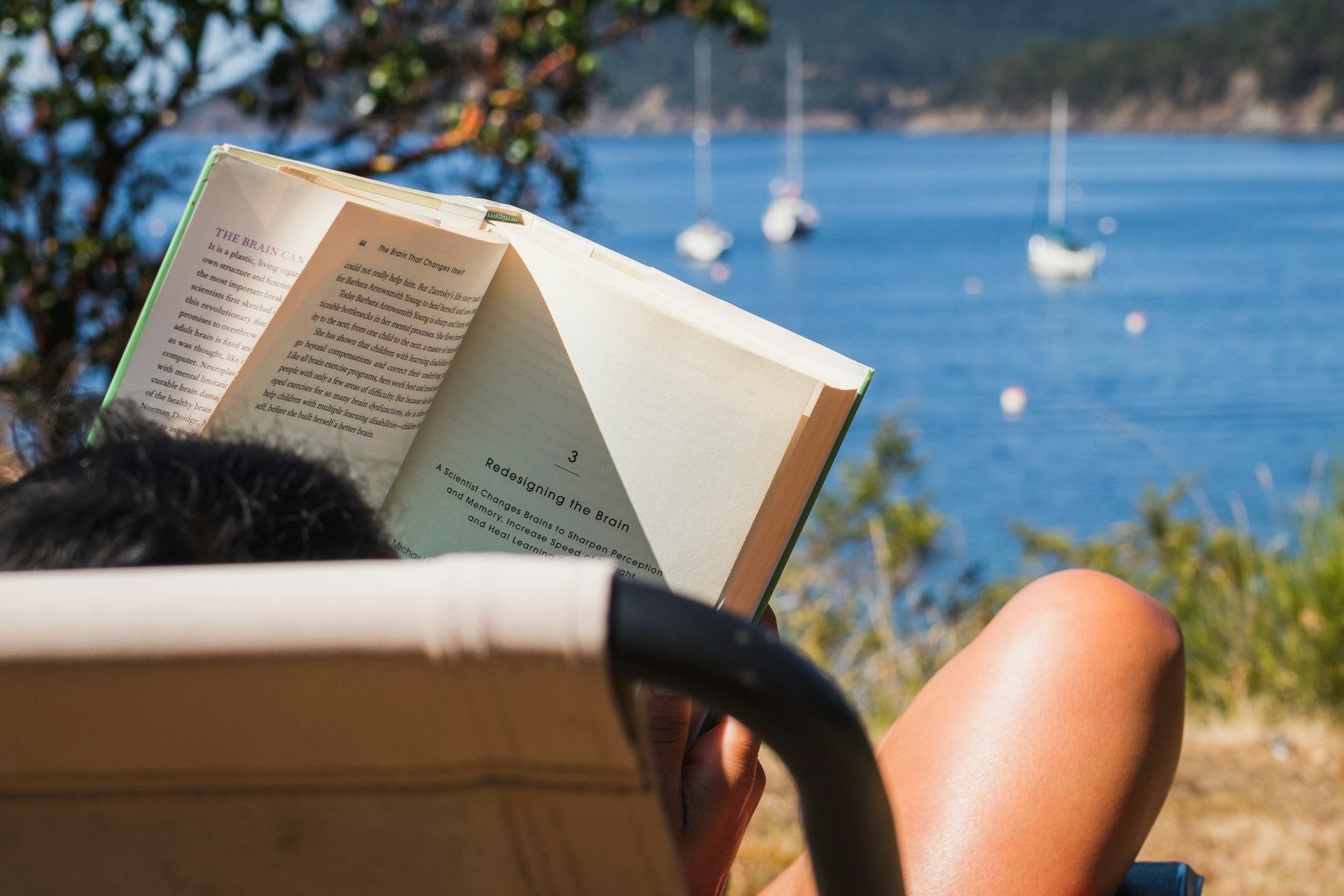
For a hobbies ESL lesson plan intermediate students will enjoy, try Bookology, where students describe books with phrases such as a real page-turner and beach read material, or One More Game, which asks whether video games can be good for mental health.
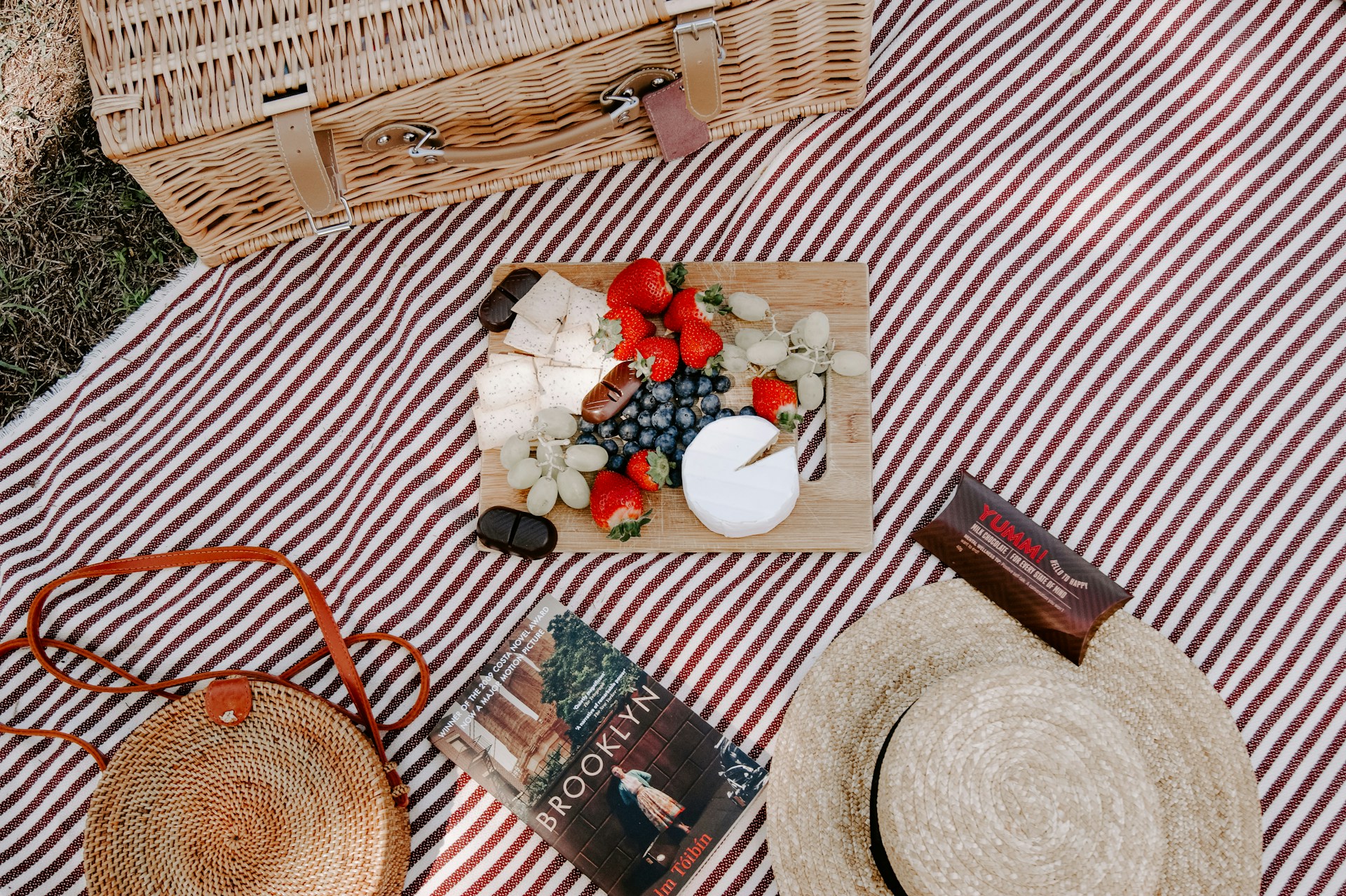
The topic also gives you a natural grammar point at every level. Beginners practice like, love and hate followed by the -ing form. Spring Picnic practices there is and there are through real places, and Journaling adds simple writing tasks. At B2-C1, Maker culture teaches the expressions for saying how good or bad people are at something, with work on meaning, form and pronunciation. So a hobbies ESL lesson plan can carry a language goal without turning into a grammar class.
Creative, active and lazy hobbies
Not every adult has a hobby they would call a hobby, so the lessons look at free time from three sides. That makes every hobbies and interests ESL lesson plan here work for the whole group, including the students who say they do nothing.
- Creative: Maker culture teaches expressions for how good or bad people are at something, Crafting change looks at craftivism, and Creative Constraints asks why limits can make people more creative. AI Art vs. Artists adds a debate about AI.
- Active: Dance Moves, Green Fingers and Festival Season. For sports, see the health and sport page.
- Lazy, in the best sense: The Art Of Doing Nothing introduces niksen, the Dutch habit of doing nothing on purpose, and Let Your Hair Down follows a writer who learned to enjoy parties.
For an unusual hobbies ESL lesson, ask students to bring the strangest hobby they have heard of and let the class guess what it involves. Journaling, with its five kinds of journal, also surprises students who think they could never write for fun.
Speaking activities about free time
These hobbies ESL speaking activities need no preparation and work at almost any level:
- Hobby interview: students ask each other five questions about one hobby and report the most surprising answer.
- Three clues: one student describes a hobby in three sentences without naming it, and the group guesses.
- The perfect weekend: pairs plan a weekend with a fixed budget and present it to the class, which votes for the best one.
These activities also work as a first lesson with a new group. Every student can talk about their free time without preparing, and you learn a lot about the class in ten minutes: who plays games, who reads, who has never had a weekend off. Use what you hear to choose the next lesson from the table above.
Questions about hobbies and free time
These ESL questions about hobbies go from easy to B2:
- What do you like doing in your free time?
- What did you do last weekend?
- Is there a hobby you would like to try?
- Do you prefer hobbies you do alone or with other people?
- What hobby did you have as a child that you have stopped?
- How much free time do you really have in a week?
- Can a hobby become a job? Would you want that?
- Is doing nothing a waste of time?
Hobbies lessons FAQ
Where should I start with a beginner?
Start with Hobbies or Total Beginner. Both are A1-A2, both are free and both teach the basic phrases for likes, dislikes and free time.
Are any of the lessons free?
Yes. Hobbies, Party Hard, One More Game and Total Beginner are all free to try. More are on the free lessons page.
What if my students say they have no hobbies?
Start with The Art Of Doing Nothing or My Lazy Vacation Day. Students who rest, read or play games on their phone have plenty to say once the question changes from what is your hobby to how do you relax.
How long is one lesson?
Most lessons are planned for about 60 minutes, so a hobbies ESL lesson plan from this page fits a standard class.
Every lesson on this page comes with a teacher subscription, together with the rest of the library.