


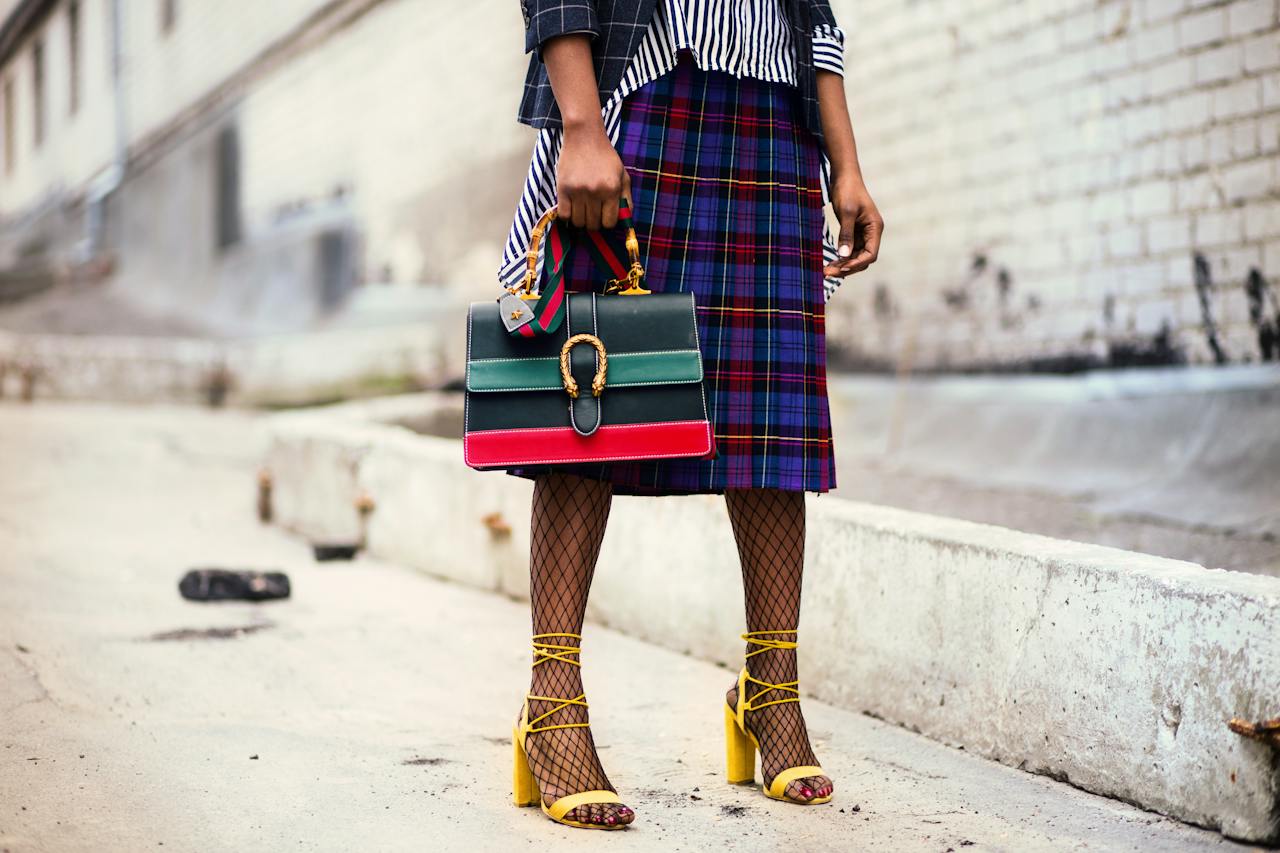
Clothes lessons for beginners
For clothes ESL beginners, start with the worksheet Clothes Vocabulary. It teaches 14 words adult beginners need, from cardigan and sneakers to gloves, and covers the American and British pairs such as pants and trousers. That gives students the ESL clothing vocabulary for everything else on the page.
Then take them outside. London Street Style looks at clothes and brands on the streets of London, Winter Wardrobe is about dressing for the cold, and What's In My Bag? follows a blogger through the things they carry every day. For lessons about buying clothes and other shopping, see the shopping page.
These beginner lessons focus on the words students use every day: what they are wearing, what they need for the weather and what they carry. Start each class with a quick question about what a classmate is wearing today, and the vocabulary will come back without a worksheet.
Style, trends and looking good
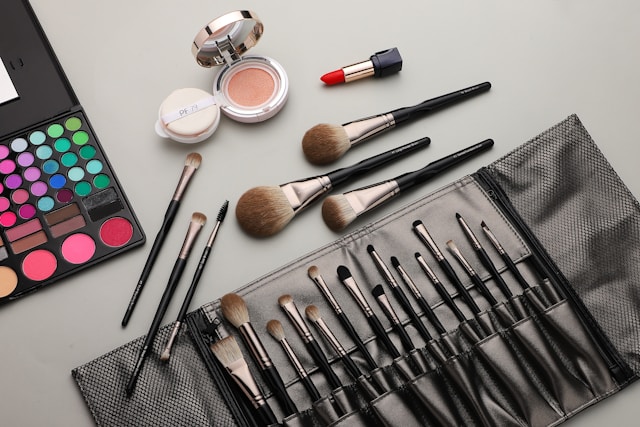
Fashion is personal, so these lessons let students talk about their own taste. Fashion Tips, free to try, discusses how to look trendy and what our clothes say about us. Makeup Essentials, the most popular lesson on the page, teaches everyday beauty vocabulary through a step-by-step routine at A2-B1.
At B1-B2, Spring Fashion Trends follows an influencer's three outfits for the season, and Reinventing Skincare uses a street interview about favorite products. Speak Like Emily In Paris brings in the language of a series where fashion is half the story.
Beauty and style are personal topics, so let students talk about trends and products in general before they share their own routine. Many adults enjoy these lessons because they rarely get to discuss everyday things like skincare in English, even though they read about them online all the time.
Fashion history and psychology
At B2-C1, a fashion ESL lesson plan can be about much more than clothes:
| Lesson | The question students discuss | Level |
| History of Fashion | How did culture and technology shape fashion from the 1940s to the 2020s? | B2-C1 |
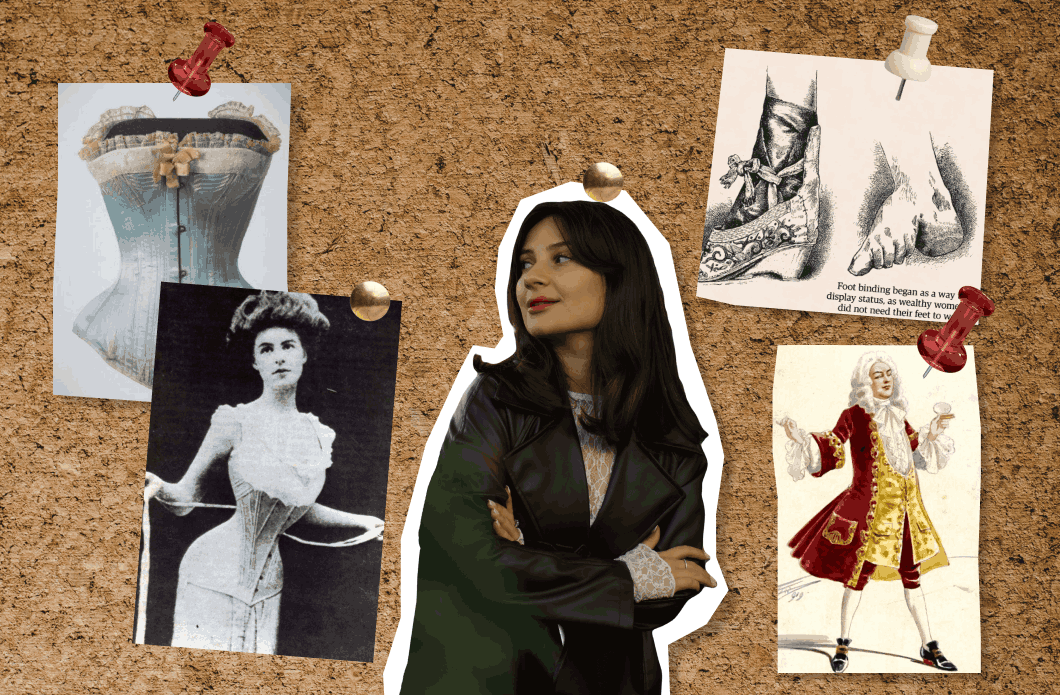
| Fatal Fashion | Which trends in history put style above safety, and do we still do it? | B2-C1 |
| How Fashion Affects Our Brain | Can a white coat really make us concentrate better? | B2-C1 |
| Why We Buy Luxury | What is the real reason people pay more? | B2-C1 |
| AI in Fashion | How is AI changing styling and marketing? | B2-C1 |
For more lessons about the past, see the history page.
These lessons work especially well with groups who say they are not interested in fashion. Each one starts from a question about people, not clothes: why we follow trends, why we pay more and why style used to be dangerous. Every fashion ESL lesson plan in this group ends with a discussion that needs real opinions and careful language.
Speaking activities about clothes
These ESL clothes activities for adults need only a few photos or a quick look around the room:
- Describe the look: one student describes an outfit from a photo, and the other draws or finds it.
- Personal stylist: pairs choose an outfit for a classmate for a job interview, a wedding or a first date, and explain why.
- Trend debate: students vote on a trend they would bring back and one they would ban forever.
Keep the activities about outfits, not bodies. Students describe clothes, colors and style, and no student's appearance is up for comment. That keeps the lesson fun for the whole group.
Fashion discussion questions
These fashion ESL discussion questions go from easy to B2:
- What are you wearing today?
- What is your favorite piece of clothing?
- Do you follow fashion trends?
- What would you wear to a job interview?
- Have you ever bought something you never wore?
- Is it worth paying more for a famous brand?
- Do clothes change how people treat you?
- Should schools and offices have dress codes?
For 25 more, see our clothes and fashion discussion questions.
Use the first four questions with beginners and keep the last four for B1 and above. The dress code question works especially well as a short debate at the end of a lesson.
Fashion and clothes lessons FAQ
Where should I start with a beginner?
Start with the Clothes Vocabulary worksheet, then London Street Style or Winter Wardrobe. All three are A1-A2.
Do these lessons work with students who don't care about fashion?
Yes. The lessons at B2-C1 are about history, psychology and money, so students discuss why people dress the way they do, not what is in style this year.
Are any of the lessons free?
Yes. Fashion Tips is free to try. The rest of the library comes with a subscription.
Is there a worksheet?
Yes. Clothes Vocabulary is a worksheet with answers, and every lesson has a printable PDF.
Every fashion ESL lesson plan on this page comes with a teacher subscription, together with the rest of the library.