






Study skills and habits
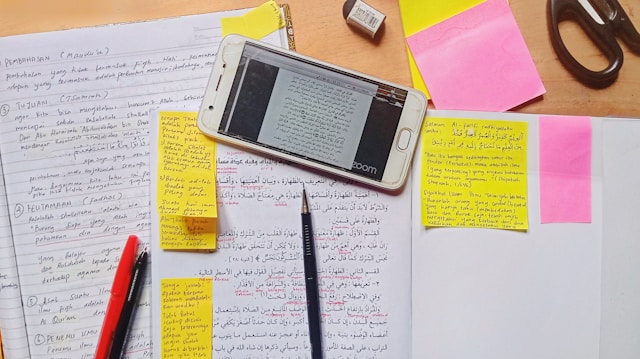
Ask a student how they study and the answer is often I read my notes. They don't lack ideas, they lack the words. The worksheet Study Skills and Habits gives B1-B2 students the vocabulary of studying, such as revise, cram and procrastinate. The free worksheet Phrasal Verbs for School teaches the natural verbs for studying and deadlines, so students say they handed it in instead of they gave it to the teacher.
Study Smarter turns the same topic into a discussion at A2-B1: which learning strategies actually work, and which habits only feel useful. For more word-focused material, see the vocabulary section.
These study skills ESL materials are useful for any learner, because almost everyone who learns a language also has to plan, revise and keep going when motivation drops. Start the course with them, and students will use the same words to talk about their English lessons for the rest of the term.
College, degrees and lifelong learning
Lifelong Learner, the most popular lesson on the page, asks students to design a personal curriculum for what they still want to learn. College Degree asks whether a degree is still worth it when so many jobs ask for skills instead, and The Youngest CEO looks at teenagers who started their own businesses.
For students heading to university or living away from home, Dorm Room follows two students on a tour of their dorm at A1-A2. As a back to school ESL lesson, Back-To-School Season gives B2-C1 students tips for getting back into a productive routine after the summer. Together these work as university ESL lesson plans for adults who are about to study abroad.
These lessons suit adults who are deciding whether to study again. Lifelong Learner and College Degree give them the language to weigh time, money and ambition, and they often lead to the most personal discussions on the page. An education ESL lesson plan like this works especially well in one-to-one classes, where students can talk about their own plans.
Learning with apps and AI
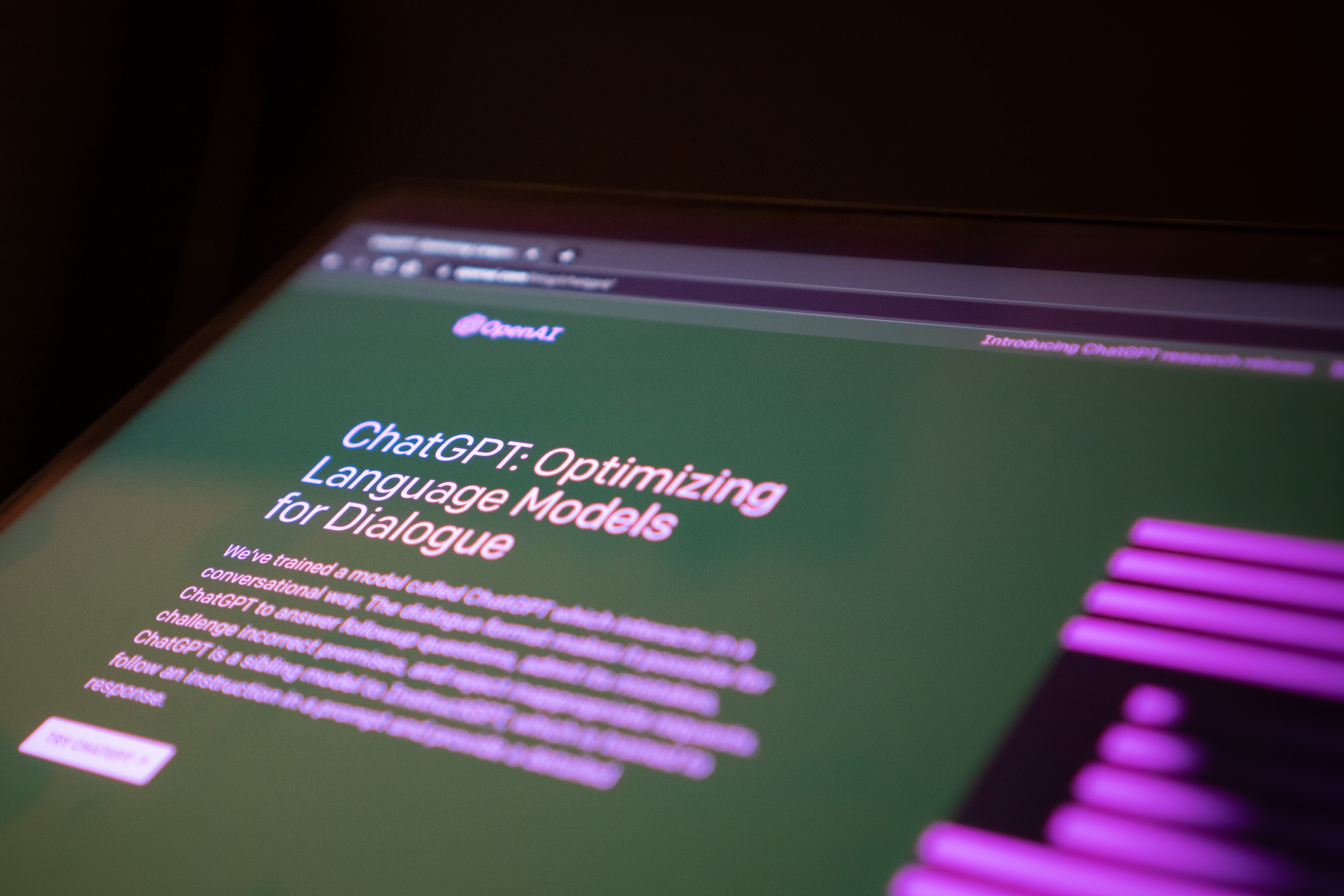
Many of your students learn English with an app as well as with you. Duolingo's Secret explores how the app keeps users coming back, through an interview with its CEO. ChatGPT asks B2-C1 students how AI will change education and work. More lessons about AI are on the technology page.
Both lessons start from a question students already have an opinion on: do apps really work, and is it cheating to use AI? They also give you a chance to talk with students about how they learn outside class, which helps you plan the rest of the course.
Education conversation questions
These education ESL conversation questions suit adults at any stage of learning:
- What was your favorite subject at school?
- How do you prefer to learn something new?
- Have you ever crammed for an exam the night before?
- Is a college degree still important today?
- What would you like to learn next, and why?
- Can you learn a language with an app alone?
- Should students be allowed to use AI for homework?
- What is the best piece of advice a teacher gave you?
Education lessons FAQ
Are these lessons for school students?
No. Every education ESL lesson plan here is written for adults: people who study, go back to studying or simply keep learning. The topics are about their own learning, not about school life for children.
Are there worksheets?
Yes. Study Skills and Habits and Phrasal Verbs for School are worksheets with answers, and every lesson has a printable PDF.
Are any of the lessons free?
Yes. Phrasal Verbs for School is free to try. More are on the free lessons page.
Every education ESL lesson plan on this page comes with a teacher subscription, together with the rest of the library.