






A trip from the airport to the hotel for beginners
A travel ESL lesson for beginners works best as one journey, lesson by lesson. The A1-A2 lessons on this page cover the whole route:
| Step of the trip | Lesson |
| At the airport, from check-in to boarding | At The Airport |
| Getting around by metro, bus and train | Public Transport |
| Ordering a taxi with an app | Let's Take A Taxi! |
| Checking in and out of a hotel | Checking In, Checking Out |
| Talking about the stay and writing a review | How Was Your Stay? |
| Walking around a city and asking for directions | City Tour |
Checking In, Checking Out is the checking in a hotel ESL lesson most students need first, with simple guest phrases for the front desk. City Tour is free to try and takes students on a walk through East London. Together these lessons make a complete travel ESL lesson for beginners spread over a few weeks, and the vocabulary of one step, such as a boarding pass or a room key, comes back in the next. When students are ready to compare places, Comparatives: Cities practices comparative adjectives with facts about famous cities.
Travel lessons for intermediate students
For an ESL travel lesson plan intermediate students will enjoy, move from survival phrases to stories and plans. Exploring Cities follows a blogger's trip to Montreal and asks how to make the most of a short visit. Road Trip uses a vlog of a real road trip, and Unusual Hotels is about places where guests can connect with nature.
Summer Is Here! practices future forms through summer plans, and Extreme Adventures is for students who prefer climbing to lying on a beach. Festival Season covers planning a trip to a music festival, from tickets to packing.
Intermediate students are ready to plan, not only to survive. Give pairs a budget and three days in a city they have never visited, and ask them to write an itinerary. The task uses the vocabulary of every lesson above and gives students a reason to agree, disagree and compromise in English.
When travel goes wrong
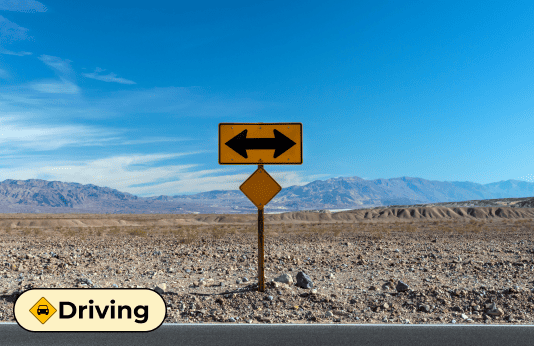
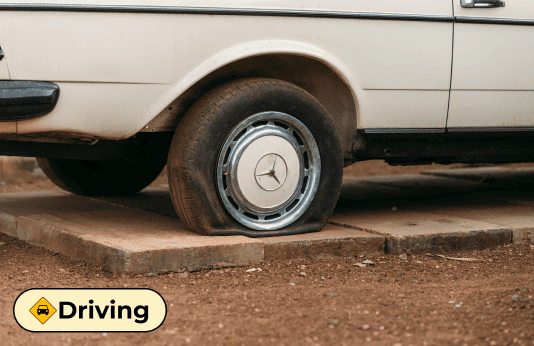
Problems are where travel English really matters, because no traveler plans for them. A travel problems ESL lesson plan such as Vacations Gone Wrong lets B2-C1 students share their worst trips and the language for fixing them. For students who drive abroad, a three-part series covers the road: Buying a Used Car, Understanding Road Signs and Roadside Problems, from warning lights to breakdowns and minor accidents.
End any of these lessons with a role-play. One student has a problem, such as a lost booking or a flat tire, and the other works at the desk or answers the phone. Then they swap. Students remember the phrases they needed to solve a problem far better than the ones they read in a list.
Travel as a topic for discussion
At B2-C1, travel becomes a question about how we live. Travel Unplugged asks whether we can enjoy a trip without our phones, and Responsible Traveller looks at trips that are good for both people and places. More lessons about the environment are on the nature and science page. The Best Cities for Mental Well-being and Culture Shock work well for students who are thinking about moving abroad, and the culture page has more lessons about life in another country.
These discussions about responsible tourism work best with students who travel a lot, because they can compare what they say with what they actually do. Ask them to choose one habit they would change on their next trip.
Travel conversation questions
Use these as a warm-up before any of the ESL travel lessons for adults on this page. The first questions suit beginners, the last ones work from B1:
These travel ESL conversation questions go from easy to B2:
- Where did you go on your last trip?
- Do you prefer the beach, the mountains or a city?
- What do you always pack?
- Have you ever missed a flight or a train?
- Do you plan every day of a trip, or do you decide on the way?
- What is the best place you have ever stayed in?
- Would you go on vacation without your phone?
- Is it better to travel alone or with friends?
Travel lessons FAQ
Do these lessons help students who are about to travel?
Yes. The beginner lessons follow the steps of a real trip, from the airport to the hotel, so students can practice exactly what they will need the week before they go.
Which level should I start with?
Start A1-A2 students with At The Airport or City Tour. From A2-B1, Exploring Cities and Road Trip work well, and Vacations Gone Wrong suits B2-C1.
Are any of the lessons free?
Yes. City Tour is free to try. More are on the free lessons page.
Where are the lessons about holidays like Christmas?
They are on the holidays page. This page is about trips and vacations.
All ESL travel lessons for adults on this page come with a teacher subscription, together with the rest of the library.