


Museums and galleries
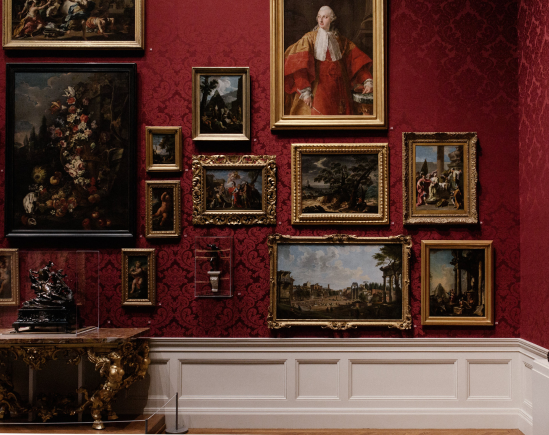
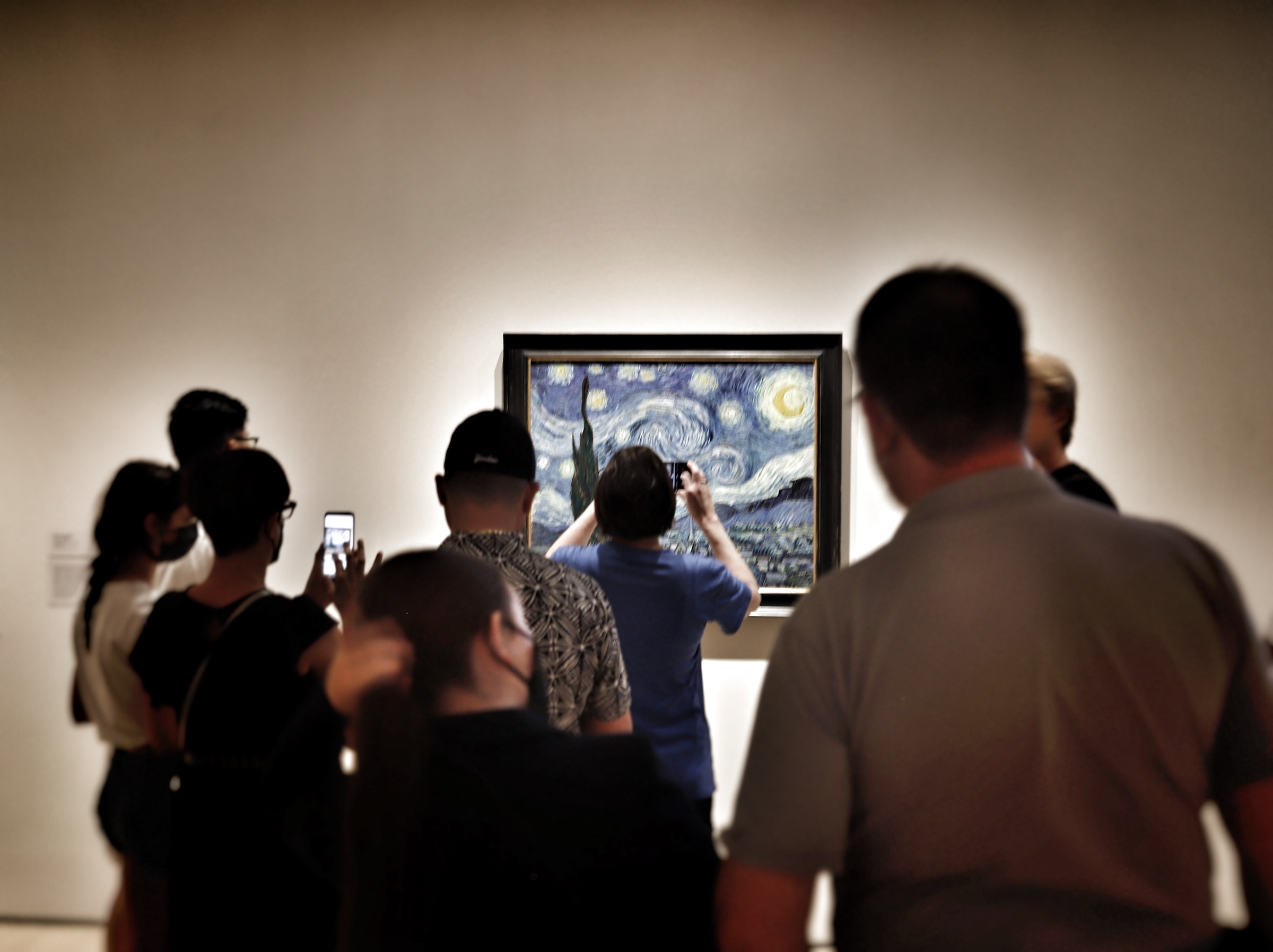
A museum ESL lesson plan can work at any level. Culture Vulture gives A1-A2 students three dialogues about choosing a museum and asking a guard for help, which is exactly the English they need on a real visit. Tour The MoMA takes B2-C1 students through New York's Museum of Modern Art with a senior curator. More lessons about culture and museums are on the culture page.
Museum lessons are a good choice before a class trip or a holiday abroad. Students learn the language of tickets, opening hours and asking for directions inside the building, and then they talk about what they would most like to see. An art ESL lesson plan built around a real visit gives students a reason to remember the words.
Modern art, street art and graffiti
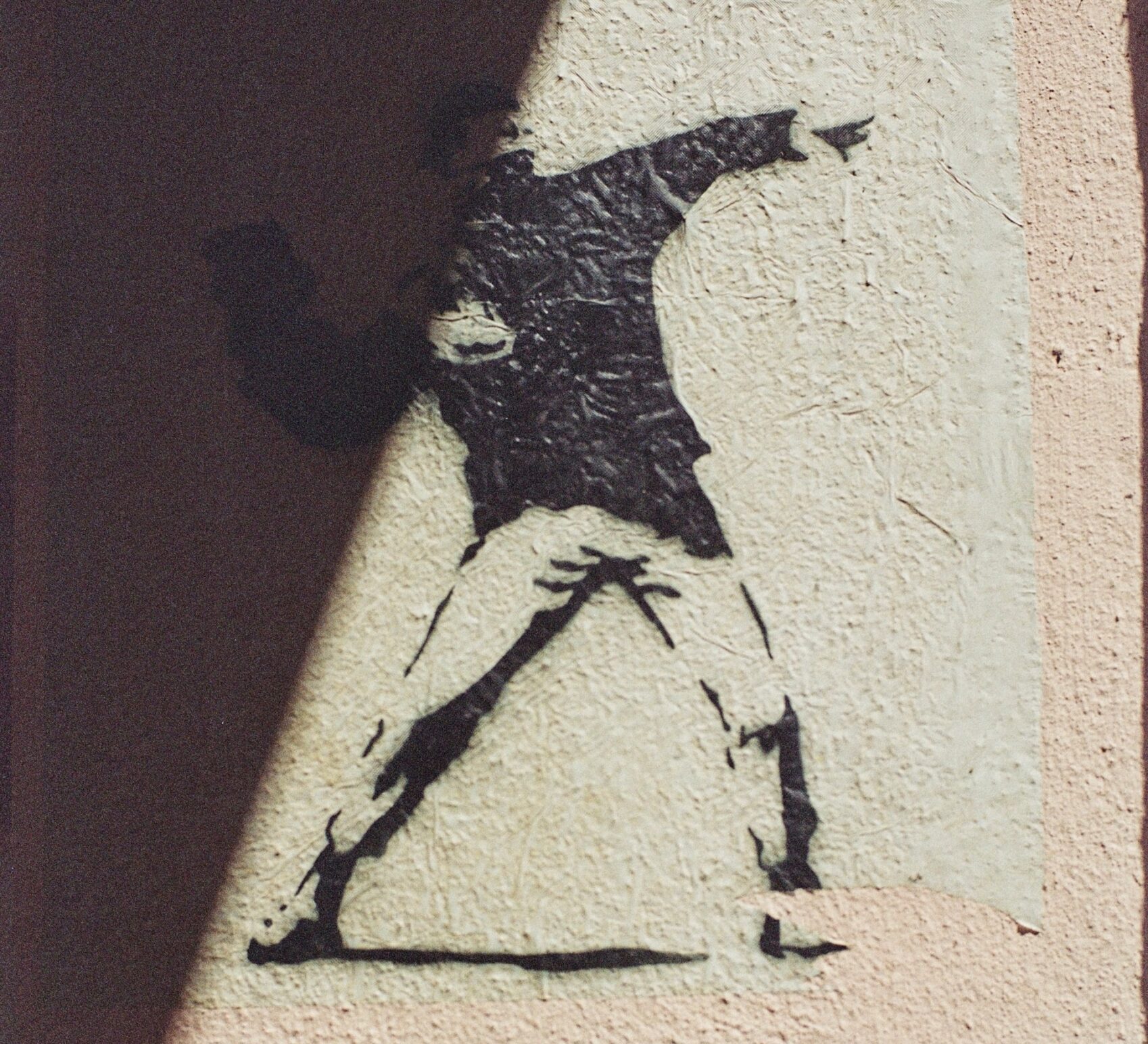
As a street art ESL lesson, Is Graffiti Art or Vandalism? asks B1-B2 students to judge the work of Banksy and compare four very different versions of the Mona Lisa. For a modern art ESL lesson that surprises students, the free Art that Smells explores olfactory art, made to be experienced through the nose instead of the eyes.
Hyperrealistic Cakes asks B2-C1 students whether a cake that doesn't look like a cake can be art, and Iconic Photographs discusses photos that captured the most important moments of the last decade at A1-A2.
These lessons work because they start with a question that has no right answer. Is a cake art? Can a smell be art? Students don't need any knowledge to answer, only an opinion and the words to defend it. That makes them a good choice for mixed-level groups, where everyone can join the discussion at their own level.
Art, creativity and AI
At higher levels, art becomes a question about creativity itself. AI Art vs. Artists asks B2-C1 students to tell AI art from human art and argue about the future of creativity, and more lessons about AI are on the technology page. Creative Constraints explores why limits can make people more creative, and Art Therapy asks whether art can make people happier. For a lighter class, Interior Design compares Japandi, Scandinavian and other home styles at A2-B1.
AI Art vs. Artists usually leads to the most heated discussion on the page, so give it a full lesson and finish with a vote. Art Therapy and Creative Constraints work well together as a short series about creativity in everyday life.
Art discussion questions
These art ESL discussion questions work as a warm-up for any lesson on the page:
- When did you last visit a museum or gallery?
- Do you have a favorite painting or photo?
- What kind of art do you have at home?
- Is graffiti art or vandalism?
- Can a photo be as powerful as a painting?
- Would you pay a lot of money for a piece of art?
- Can AI make real art?
- Should museums be free for everyone?
Art lessons FAQ
Do my students need to know about art?
No. Each lesson explains what students need, and the tasks ask for opinions and reactions, not knowledge of art history.
Which level should I start with?
A1-A2 students can start with Culture Vulture or Iconic Photographs. From B1, Is Graffiti Art or Vandalism? and Art that Smells work well.
Are any of the lessons free?
Yes. Art that Smells is free to try. Every art ESL lesson plan on the page comes with a subscription, together with the rest of the library.