






Social issues these lessons cover
Each social issues ESL lesson plan on this page is built around one question with no easy answer. They fall into five groups:
| Topic | Lessons to start with | Levels |
| Media and news | How To Spot Fake News, Conspiracy Theories, Cancel Culture | A2 to C1 |
| Gender and equality | Feminism, Invisible Women, Not Just PMS, Girl Power | A2 to C1 |
| Money and ethics | Good Charity, Bad Charity, Buy Nothing Day, Limitarianism, Fat Tax | B1 to C1 |
| Generations | Youngism, Senior Influencers, Great Unretirement | B1 to C1 |
| Crime and law | Unsolved Crimes, Behind Bars, Dumb Laws, Court in Session | A2 to C1 |
For more on gender and equality, our blog has 50 women's rights discussion questions for levels A2 to C2, and 10 activities for International Women's Day for a whole lesson on gender equality.
Every group gives students the opinion language they need for a discussion: how to agree and disagree, how to soften a strong view and how to ask for evidence. That makes these current events ESL lesson plans a good fit for B2 and C1 learners who already speak fluently but want to argue with more precision. Lower levels can start with the A2-B1 lessons in each row, such as Girl Power or Dumb Laws.
Fake news and media literacy lessons
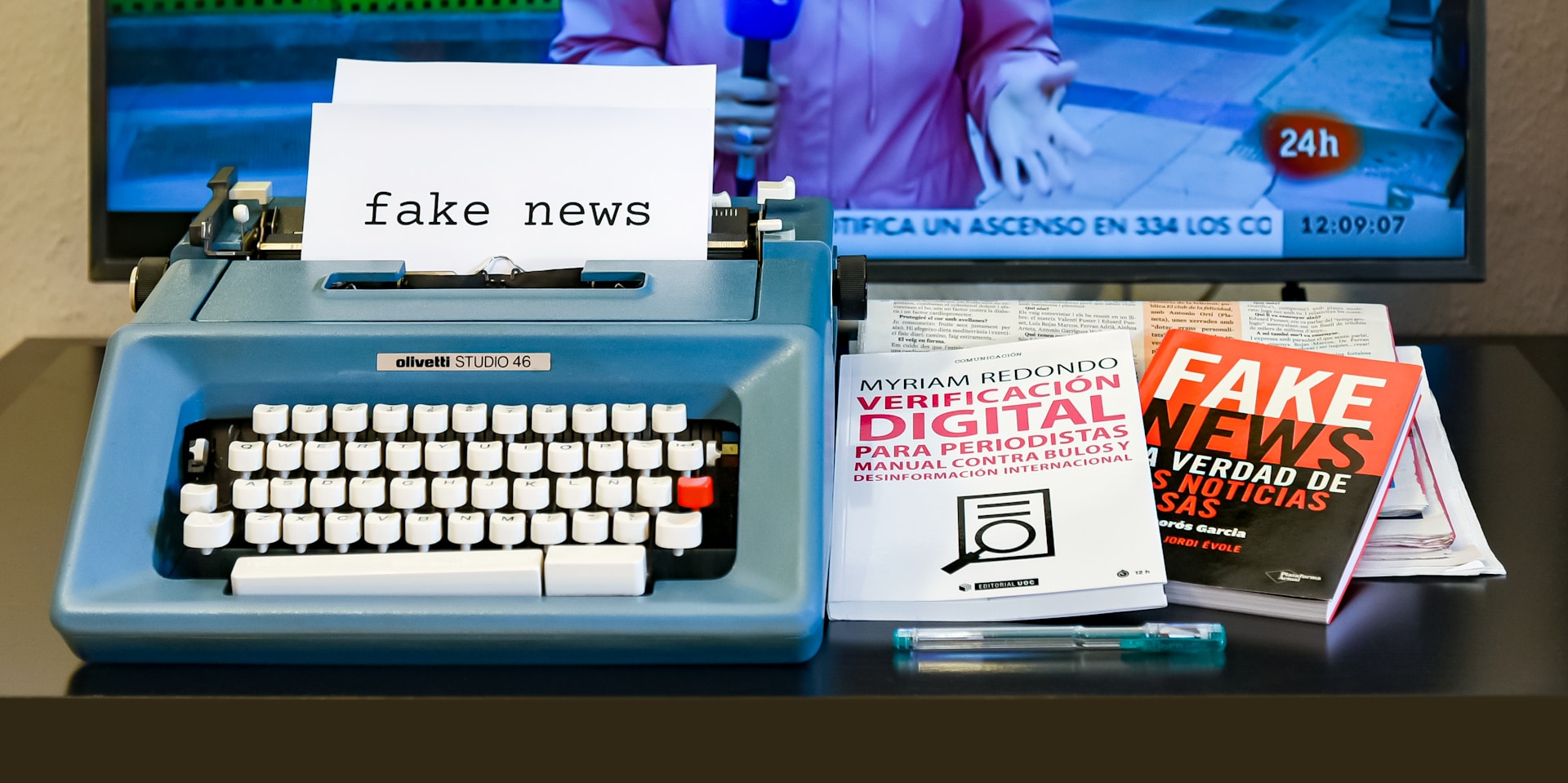
A fake news ESL lesson plan teaches two things at once: how to check a story and how to talk about doubt in English. How To Spot Fake News does it at A2-B1 with fact-checking games and a short video of practical tips. Staying Safe Online moves on to digital habits and risks.
At higher levels, Conspiracy Theories and Flat Earth Society ask why people believe what they believe. Or So They Say teaches the hedging language of careful reporting, so students can repeat a claim without agreeing with it.
Media literacy is also an easy way into the page. Fake news is a topic no student needs to take personally, so it works as a first lesson with a new group before you move on to harder social questions.
Debate topics for adult ESL classes
Each of these ESL debate topics has a full lesson behind it, so students get the vocabulary and the arguments before they argue. Topics 6 to 10 work well as ESL debate topics for advanced students:
- Should unhealthy food carry an extra tax? (Fat Tax, B1-B2)
- Is graffiti art or vandalism? (Is Graffiti Art or Vandalism?, B1-B2)
- Should we judge charities by their results? (Good Charity, Bad Charity, B2-C1)
- Is it fine to tell white lies? (White Lies, B1-B2)
- Would you get a microchip instead of keys and a wallet? (Microchips, B2-C1)
- Should there be a limit on how rich a person can be? (Limitarianism, B2-C1)
- Do monarchies still make sense today? (Monarchies, B2-C1)
- Is cancel culture accountability or public shaming? (Cancel Culture, B2-C1)
- Are young adults treated unfairly because of their age? (Youngism, B2-C1)
- Is it ever right to give up on a goal? (The Art of Giving Up, B2-C1)
How to run a discussion on a controversial topic
Controversial topics for ESL discussion can be the best lesson of the month or the worst, depending on the setup. A few rules keep the focus on language:
- Teach the phrases first: I see your point, but..., That's true to some extent, I'd have to disagree.
- Assign sides at random, so students argue a position, not a belief.
- Let any student skip a topic that feels too personal.
- Comment on the English, never on the opinion.
- End with a vote or a summary, so the debate has a clear finish.
- Use the same rules for any current events ESL discussion questions you bring from this week's news.
Students who enjoy these lessons will also like the discussion formats in our speaking lessons.
Current events lessons FAQ
Will these lessons go out of date?
Most of them won't. They are built around questions that stay open, such as how to spot fake news or how much wealth is too much, so you can teach them again next year.
Which level are the lessons for?
The page starts at A2-B1 with lessons such as How To Spot Fake News, Dumb Laws and Girl Power, and most of the choice is at B1-B2 and B2-C1.
What if a topic is painful for a student?
Let the student choose a different topic or take the role of the moderator. Every lesson can be taught in the third person, without personal stories.
Are any of the lessons free?
Yes. The Art of Giving Up and Feminism are free to try, so you can see how a full lesson works before you subscribe.
All current events ESL lesson plans on this page come with a teacher subscription, together with the rest of the library.