






Weather lessons from first words to forecasts
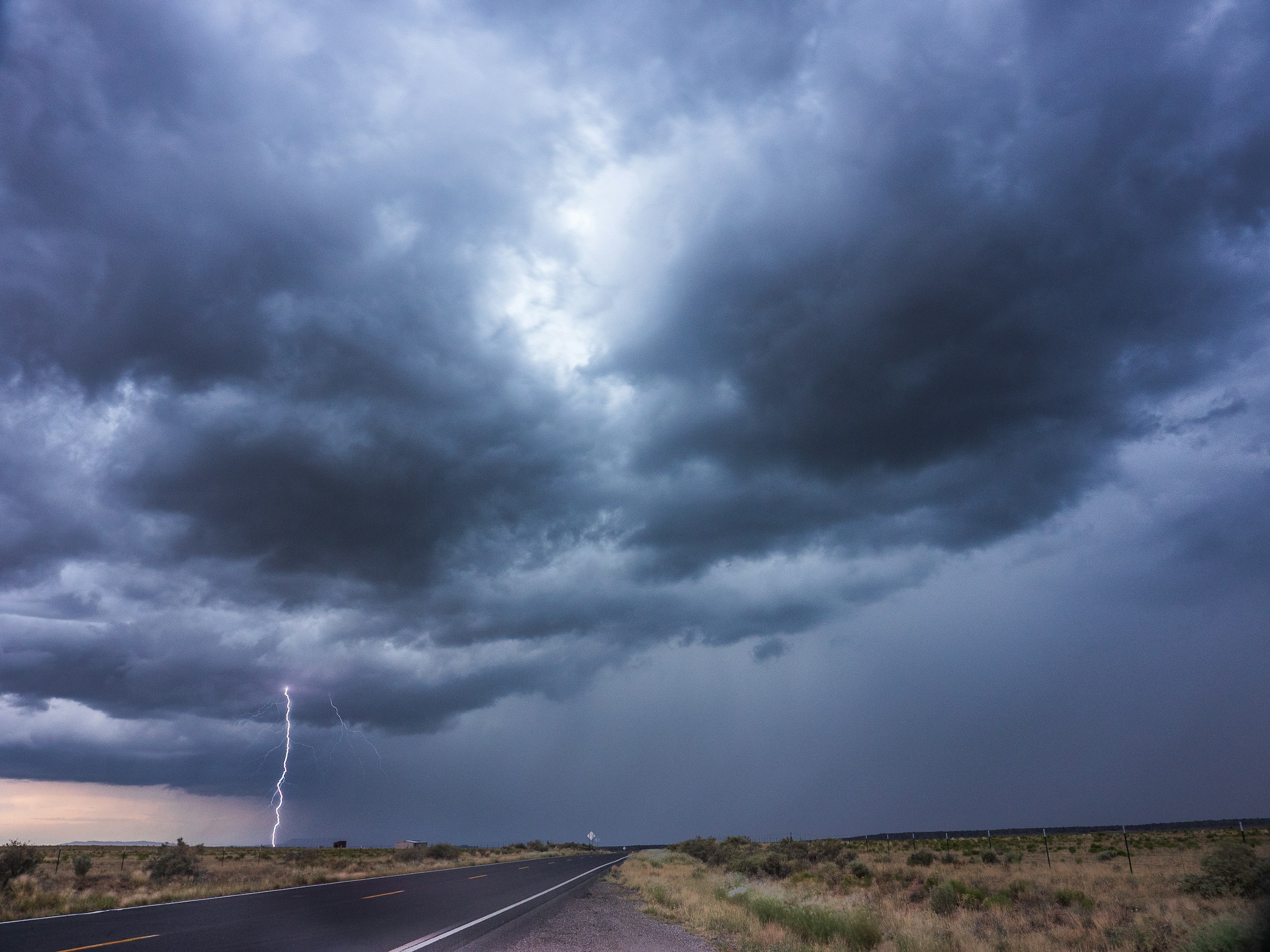
Weather is the first real conversation many learners have in English, and it never stops being useful. A weather ESL lesson plan on this page can take students from their first words to a full forecast:
| Level | Lesson | What students can do after |
| A1-A2 | Weather Vocabulary | Use 11 everyday words, from sunny to stormy, and read temperatures |
| A2-B1 | What's The Weather Like Today? | Ask about the weather and describe it in a natural way |
| B1-B2 | When Winter Gets Rough | Describe harsh winter conditions and how they affect daily life |
| B2-C1 | Weather Forecast | Understand and give a forecast, and use the weather as a way into small talk |
When Winter Gets Rough also works as an extreme weather ESL lesson for students who live through hard winters. For esl weather activities for adults, ask pairs to give a 30-second forecast for their own city tomorrow, then compare it with the real one. The page also has a set of autumn worksheets, such as Words to Describe Autumn, which gives students better words than cold. More word-focused material is in the vocabulary section.
Science lessons adults want to talk about
These science ESL lesson plans start from a question adults are already curious about. Artemis II, Explained is a B1-B2 speaking club about the new Moon mission, and it also works as a space exploration ESL lesson plan for students who follow the news. This Is Your Brain On Spring Fever asks whether spring fever is real, and Your Brain On Music looks at why some songs get stuck in our heads.
At A2-B1, Humans In The Year 3000 uses a video prediction about how our bodies might change. At B2-C1, Male and Female Brains looks at popular stereotypes about how men and women think, and Butterfly Effect shows how one small event can change a life. For lessons about why people doubt science, such as conspiracy theories, see the society and news page.
Each of these science ESL lesson plans follows the same simple path. Students react to a picture or a question first, then read or watch one short piece of research, and finish by arguing about what it means. That keeps the focus on English, not on the experiment itself, and it gives quieter students a fact to lean on when they give their opinion.
Nature and the environment
A natural disasters ESL lesson plan works best when it starts from one real story. In Natural Disasters, B1-B2 students read an earthquake survivor's account before they learn the wider vocabulary. The Environmental Cost of Using AI, the most popular lesson on the page, builds B2-C1 vocabulary around energy use and sustainability.
For a gentler start, Green Fingers gets A2-B1 students talking about plants and gardening. Responsible Traveller is about trips that are good for people and places, and there are more lessons like it on the travel page. If you need a climate change ESL lesson plan, these lessons give students the vocabulary of energy, waste and responsibility to start that discussion.
Natural disasters and climate are serious topics, and some students may have lived through them. Let them choose whether to share personal stories, and keep a lighter lesson such as Green Fingers ready for the next class.
Grammar that fits science topics
Science topics come with their own grammar, which makes them easy to combine with a language goal. Facts and general truths need the zero conditional, practiced in the worksheet Zero Conditional: Amazing Nature through unusual facts about plants and animals. Predictions need will, might and could, which Humans In The Year 3000 practices naturally. Processes, such as how a storm forms, are a good moment for the passive.
Pairing a grammar point with a topic like this makes science ESL lesson plans easier to fit into a course. You can teach the zero conditional on Monday and come back to it on Thursday with Natural Disasters or Artemis II, so students meet the same structure in a new context.
Conversation questions about nature and science
Use these questions as a warm-up before any lesson on the page. The first four suit A1-A2 students, and the last four work best from B1:
- What's the weather like where you live today?
- Which season do you like most, and why?
- Do you have plants at home?
- Have you ever been caught in a storm?
- Would you travel to the Moon if you could?
- Do you think about the environment when you travel?
- Which invention changed people's lives the most?
- Should AI companies pay for the energy they use?
Nature and science lessons FAQ
Do my students need to know about science?
No. Every lesson explains the idea it is built on, so students only need the English. The goal is to talk about science, not to study it.
Which level should I start with?
Beginners can start with Weather Vocabulary and Zero Conditional: Amazing Nature. From A2-B1, any of the weather, nature and brain lessons will work.
Are any of the lessons free?
Yes. Words to Describe Autumn, Art that Smells and Are Soulmates Real? are free to try. The rest of the library comes with a subscription.
Are there printable worksheets?
Yes. Every lesson has a printable PDF, and the weather and autumn worksheets also work as homework.
All science ESL lesson plans on this page come with a teacher subscription, together with the rest of the library.