What Every Movie Lesson Includes
Our movie lesson plans take one piece of screen content and build a 60 or 90 minute class around it. Most of them run in this order:
- A short clip, trailer or scene, short enough to watch twice in class
- Movie vocabulary taught before the video, for describing the plot, the characters and how a film made you feel
- A listening comprehension task that checks the main idea first and the details second
- Discussion questions and a speaking task, such as pitching a remake or acting out a scene
- A printable worksheet with a Teacher's Version and answers
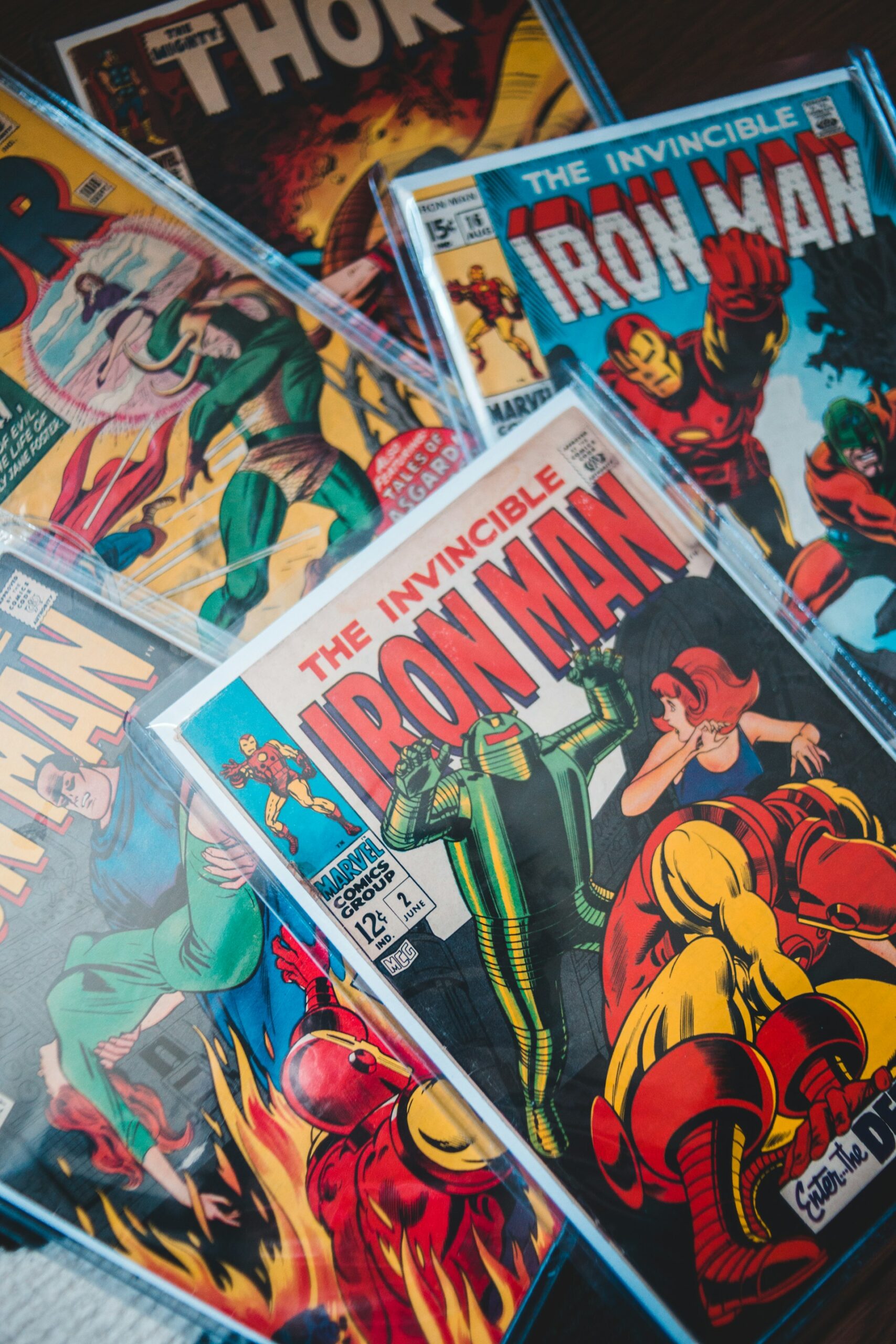
Teaching with film works because the video gives the whole class one shared story. Students don't have to invent an opinion from nothing when everyone has just watched the same scene. Some movie lesson plans go further and end with a creative task. In Reboots & Remakes, students pitch a film for 2027, and in TV Commercials, the class plans its own ad.
Choosing Movies for ESL Students by Level
Choosing ESL movies comes down to speed, slang and how much the picture explains. A slow scene with a strong visual story suits A2 even when some words are new. Fast dialogue full of jokes and cultural references needs B2 or higher. English subtitles help on the second viewing at every level, but leave them off the first time so students really listen.
| Level | What works | Clip length | Try this lesson |
| A1-A2 | Clear speech, familiar topics, faces and actions that show the meaning | 1 to 2 minutes | Who Am I? |
| A2-B1 | Street interviews, reality TV, animated series | 2 to 3 minutes | Movies, Reality Dating Shows, Speak Like Gravity Falls |
| B1-B2 | Sitcom episodes, trailers, everyday dialogue | 3 to 5 minutes | Speak Like Friends, Reboots & Remakes, Are Romcoms Dead? |
| B2-C1 | Fast dialogue, sarcasm, period drama, commercials | Up to 5 minutes, in parts | Speak Like Fleabag, Speak Like Bridgerton, TV Commercials |
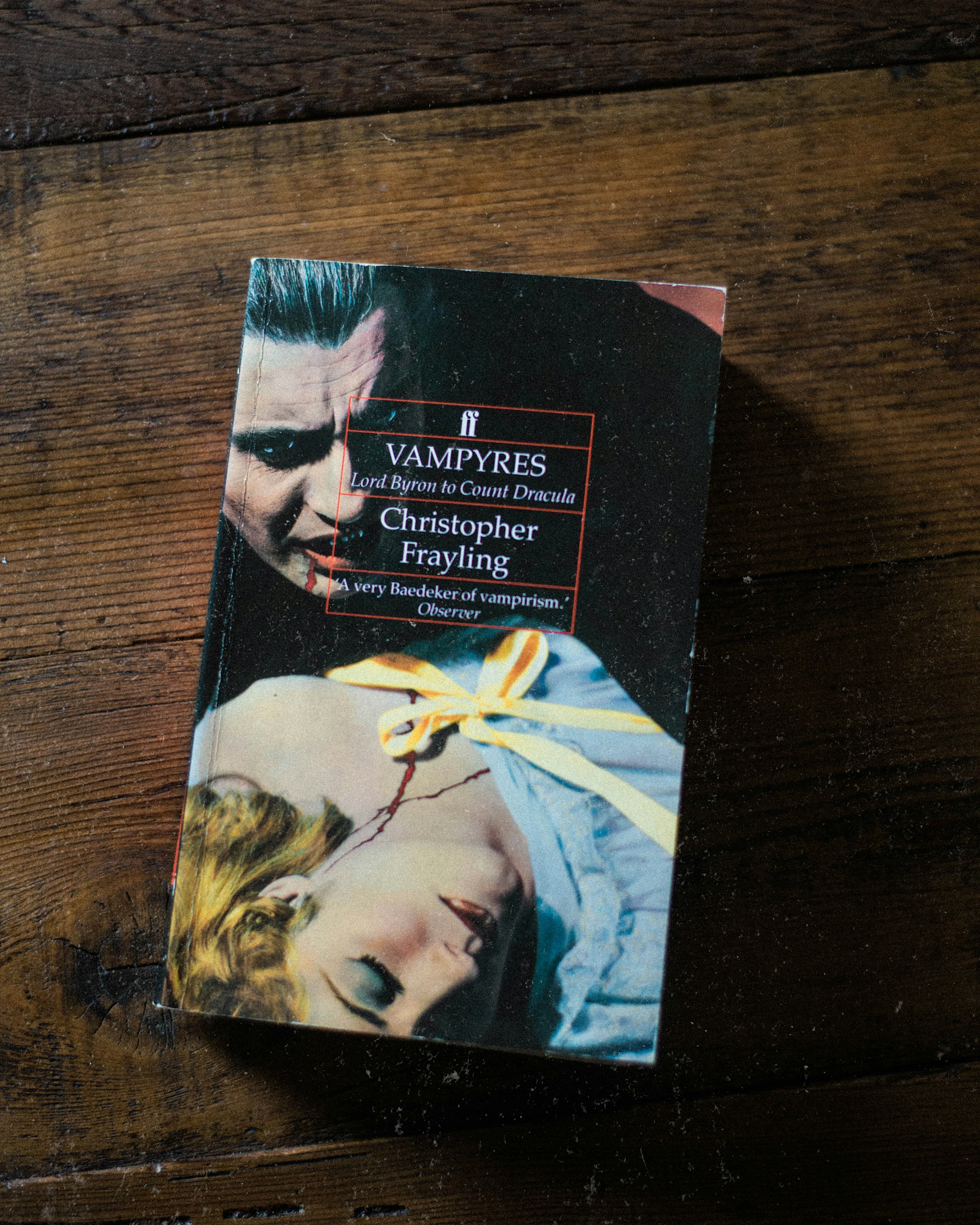
The best movies for ESL students aren't always the newest ones. What matters is a scene that makes sense on its own. All the movie lesson plans in this section were built around clips that do. If you are choosing material yourself, our post on Netflix shows for ESL students suggests series that work well in class.
Teaching With TV Shows and Series
Series have one big advantage over films. The characters come back, so students get used to their voices, and a single scene makes sense without two hours of story around it. That makes TV shows for ESL students ideal for spoken English, the short replies, idioms and reactions that textbooks leave out.
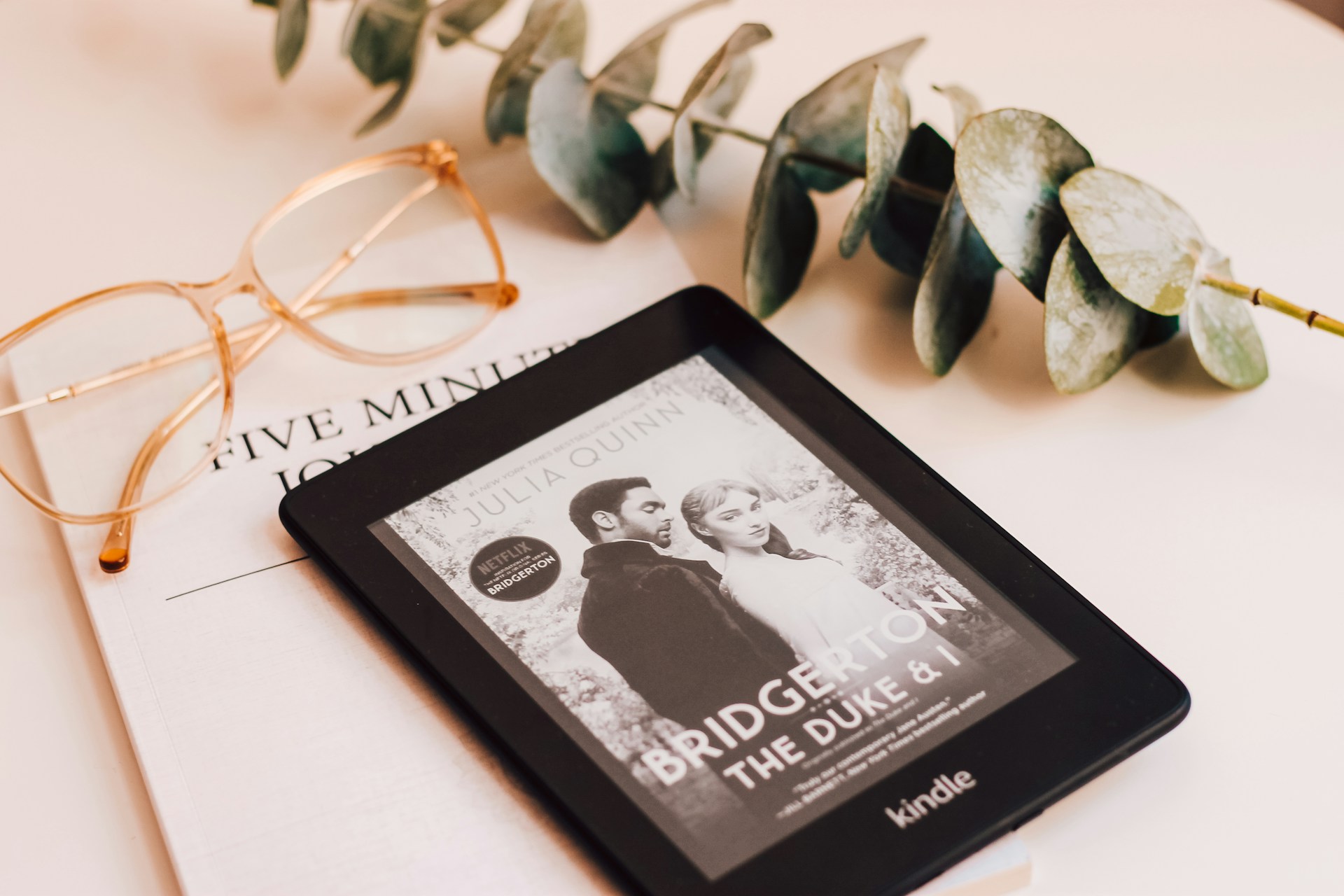
The Speak Like series is built on this. Each lesson takes a scene from one show, such as Friends, Gilmore Girls, Emily in Paris or Fleabag, and teaches the language the characters use, from idioms to sarcastic replies. Students watch, work out the meaning from context and use the phrases in their own dialogues. Speak Like Gravity Falls brings the format down to A2-B1 and works especially well with teens, while Speak Like Bridgerton takes B2-C1 classes into formal, indirect English. For more video-based practice, see the listening lessons.
Music lessons and songs for adult classes
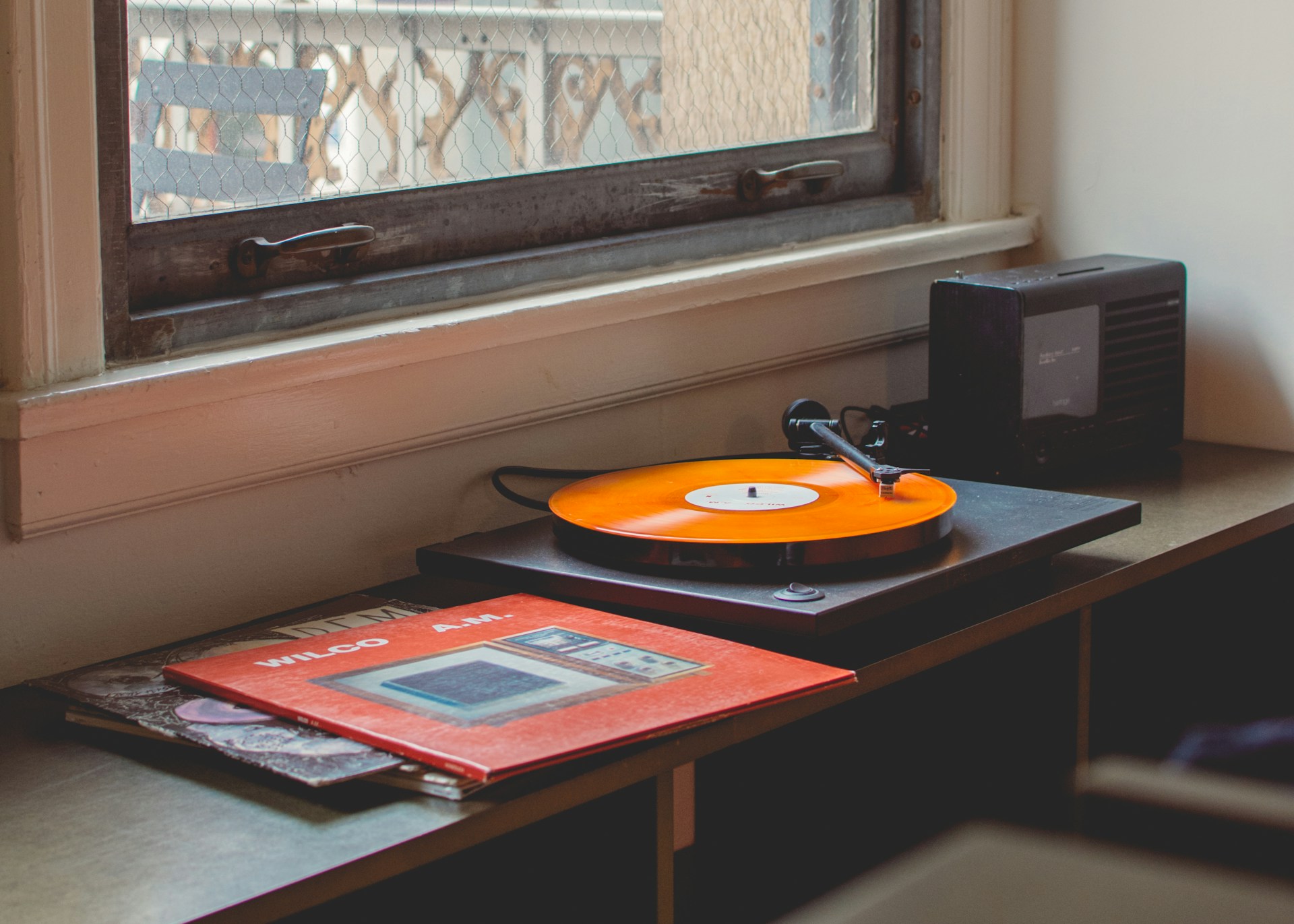
Songs for ESL adults work when each one has a clear language goal. A good tune is a bonus. The music lessons on this page use a song, a music video or a news report about music as the text, then move on to vocabulary and discussion. These ESL music activities suit every level:
- Musichead (A1-A2): words for describing music and how it makes you feel
- Love Songs and Christmas Songs (A2-B1): romantic expressions and festive vocabulary through well-known songs
- Festival Season (A2-B1): planning a trip to a music festival, from tickets to packing
- Hoa Hoa Hoa (B1-B2): fire metaphors and figurative language in a song from Twilight
- Your Brain On Music (B2-C1): why one song can get stuck in your head
- The Taylor Swift Effect (B2-C1): how one pop star moves whole industries
A song lyrics ESL lesson plan usually runs in three steps. Students listen once for the mood, then work with the words of the song, and finish by discussing what it means to them. Christmas Songs and The Taylor Swift Effect are both free to try.
These lessons also work as ESL music lesson plans for adults who say they don't like singing in class, because no student has to sing. Musichead introduces music genres and the words for describing them, a good start before students build a playlist for the class. The Taylor Swift Effect goes the other way and asks what fans are willing to pay for a concert.
Movie Discussion Questions to Start Any Lesson
These movie discussion questions work as a warm-up before any clip, or as a speaking task for the last ten minutes. Pick three, give pairs five minutes, and ask each pair to report the most surprising answer.
- What was the last movie you watched, and would you recommend it?
- Do you prefer watching movies at home or in a theater? Why?
- Which movie have you seen more than three times?
- Do you watch series in English? With or without subtitles?
- Which film genres do you never watch, and why?
- Do you read a movie review before you choose a film?
- Is it better to read the book first or see the movie first?
- Which TV character would you like to have as a friend?
- Do trailers give away too much of the plot?
- Has streaming changed how you watch TV? How?
- Which song do you know all the words to?
- What kind of music do you listen to when you work or study?
- Would you travel to another country for a concert?
The last three also work as music ESL discussion questions before a song lesson.
Movie and TV Lesson Plans FAQ
How long does a movie lesson take?
Most lessons are planned for 60 minutes and a few run to 90. The clips are short, so the video itself takes only a few minutes of class time. Most of the hour goes to vocabulary and speaking. If your classes are 45 minutes, finish the last speaking task at the start of the next class.
Can I teach these lessons online?
Yes. Share your screen for the clip, then put students in pairs or breakout rooms for the speaking tasks. On the Pro plan, each lesson also has a Miro board ready to use.
Are there printable worksheets?
Yes. Every lesson has a student PDF and a Teacher's Version with answers, so you can print it or share it on screen.
Do I need a streaming subscription?
No. The lessons work with short clips linked in the lesson materials, and every task is built around that clip, so you never need to show a full episode or film.
All movie, TV and music lessons come with the teacher subscription, together with the rest of the library.