





Cultural differences lessons for adult classes
A good cultural differences ESL lesson plan starts with one specific story, not with big statements about nations. In Culture Shock, B1-B2 students hear newcomers describe what surprised them most about life in South Korea. East Meets West uses the designer Yang Liu's simple pictures of eastern and western habits, and students decide which ones match their own experience.
Easter Shock follows a British exchange student who is surprised by Easter in Norway. For a British culture ESL lesson plan, British Etiquette covers everyday rules through a video, and the free City Tour takes A1-A2 students on a walk through East London while they practice giving directions.
Every one of these lessons treats cultural differences as something to discuss, not to judge. Ask students to compare a habit with their own first, and only then explain why it might exist. Stories of culture shock become funny instead of awkward once the whole class has shared one. If you need a culture shock ESL lesson plan for students who are about to move, Culture Shock is the place to start.
Customs and traditions around the world
Festivals are the easiest way to compare cultures, because everyone celebrates something. Each customs and traditions ESL lesson plan here sets several countries side by side, so students describe their own traditions and react to new ones:
| Lesson | What students compare | Level |
| Festivals of Fall | Four autumn festivals from different countries | A2-B1 |
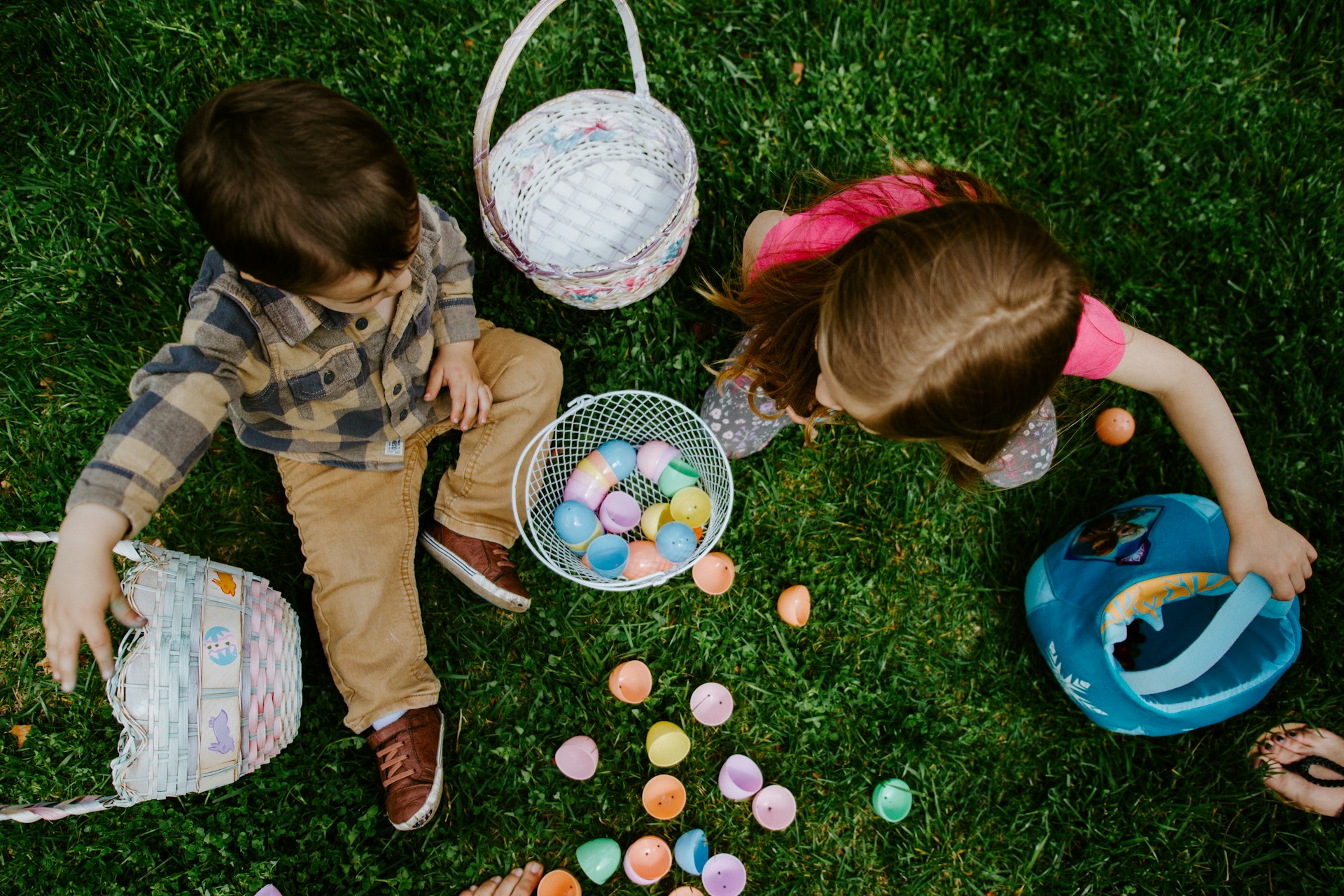
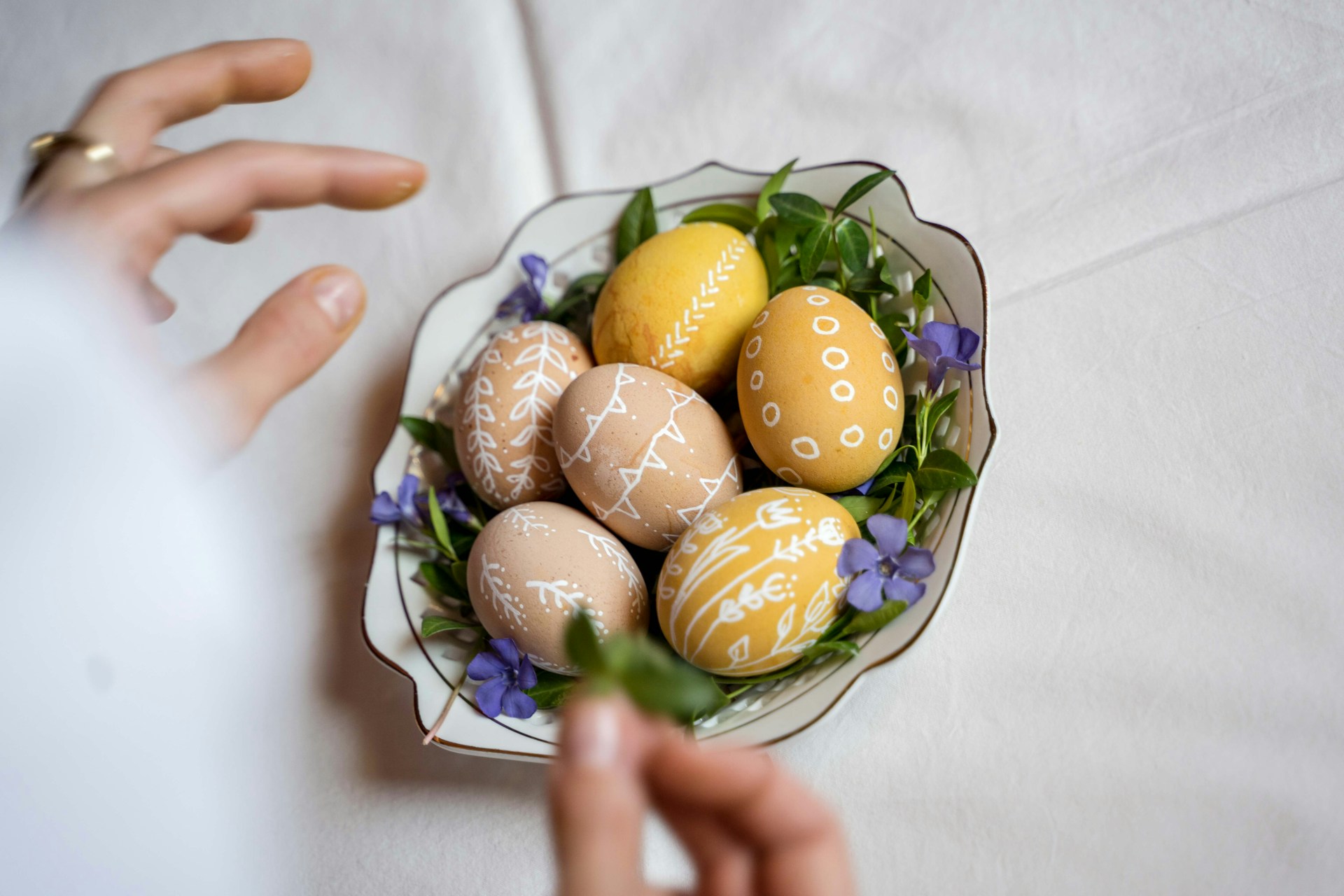
| Weird and Wonderful Easter Traditions | Unusual Easter customs, such as water fights | B1-B2 |
| Christmas Around the World | How Christmas changes from country to country | B1-B2 |
| New Year's Traditions | New Year customs around the world | B2-C1 |
| Chinese New Year | The traditions of the Lunar New Year | B2-C1 |
| Burning Man | The spirit of one very unusual summer festival | B2-C1 |
As an ESL festivals and celebrations lesson plan, Festivals of Fall works at any time of year, and Christmas Around the World is a festivals around the world ESL lesson that gives every student a turn to describe home. For lessons about one holiday at a time, such as Halloween or Thanksgiving, see the holidays page.
Culture at work
Cultural differences matter most when there is a deadline. Doing Business Across Cultures teaches B2-C1 students how communication styles differ in global business: direct and indirect feedback, hierarchy, small talk and how to repair a misunderstanding. It works as a business etiquette ESL lesson plan for students who work with international colleagues. More lessons about life at work are on the work and jobs page, and lessons about politeness in everyday talk are on the communication page.
Small talk across cultures is a good warm-up for this lesson. Ask students what people talk about in the first five minutes of a meeting in their country, and what they never mention. The answers are a short lesson in cross-cultural communication before the reading even starts.
Museums, myths and everyday culture
Culture is also what people do on a free afternoon. Culture Vulture gives A1-A2 students the dialogues for choosing and visiting a museum, and Tour The MoMA takes B2-C1 students through New York's Museum of Modern Art with a curator. Thunderous Thor is a B1-B2 lesson about Norse myths, while Coffee Geek and Do You Have A Tattoo? bring everyday habits into an A2-B1 class.
These lessons are a good choice when a group needs a break from serious topics. Every student has an opinion about coffee or tattoos, and the same cultural differences ESL lesson plan structure still applies: compare, explain and react. Culture Vulture also prepares students for a real museum visit, which makes it a useful lesson before a school trip or a holiday.
Questions about culture for any lesson
These ESL culture discussion questions work as a warm-up for any lesson on the page:
- What do people in your country eat at New Year?
- Which tradition from your country would surprise a visitor?
- How do people greet each other where you live?
- Is it rude to be late in your culture? How late is too late?
- Which festival from another country would you like to see?
- What surprised you most the first time you went abroad?
- Which habit from another culture have you adopted?
- Are traditions still important to young people?
Culture lessons FAQ
Do these lessons work if all my students are from one country?
Yes. Students compare their own customs with the ones in the lesson, and they often disagree more than you expect about their own traditions.
How do I avoid stereotypes?
Start from one story or one person, as the lessons do, and ask students whether it matches their experience. A sentence that starts with In my family works better than one that starts with All people from.
Are any of the lessons free?
Yes. City Tour is free to try. The rest of the library comes with a subscription.
How is this page different from the holidays page?
This page compares cultures and traditions. The holidays page has lessons for one celebration at a time, for the week before it happens.
Every cultural differences ESL lesson plan on this page comes with a teacher subscription, together with the rest of the library.